BTS Hits the Historic Heart: A Deep Dive into Gwanghwamun Before the Global Comeback
The world is buzzing! With BTS set to take the stage at Gwanghwamun Square for their 2026 comeback, all eyes are on this iconic Seoul landmark. But what’s the story behind this massive gate? Why is it such a big deal for Korea? Let’s dive into the history, the drama, and the massive plans for the upcoming show.
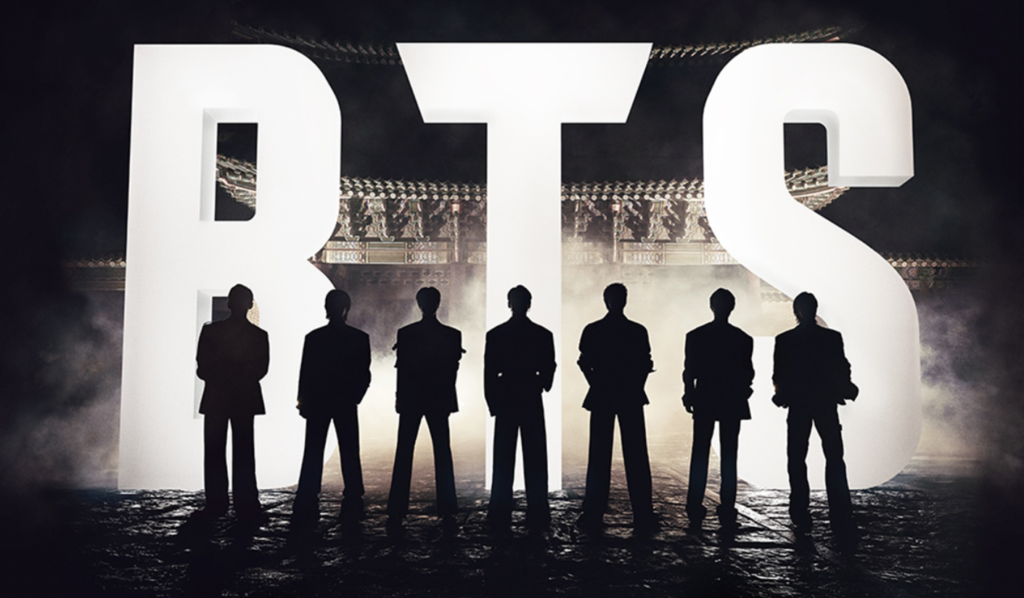
Table of Contents
1. The Basics: Scale, Architecture, and Origins
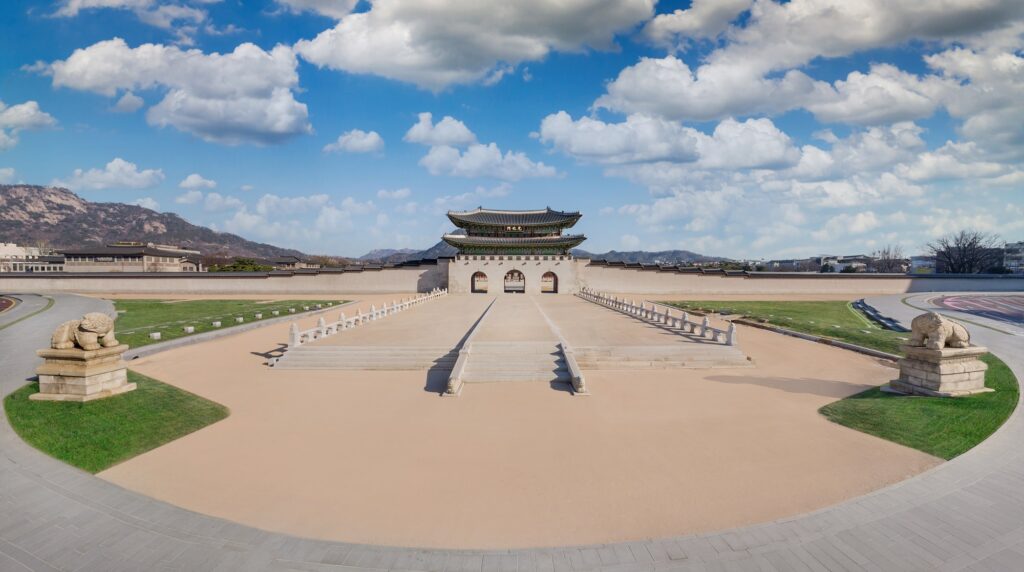
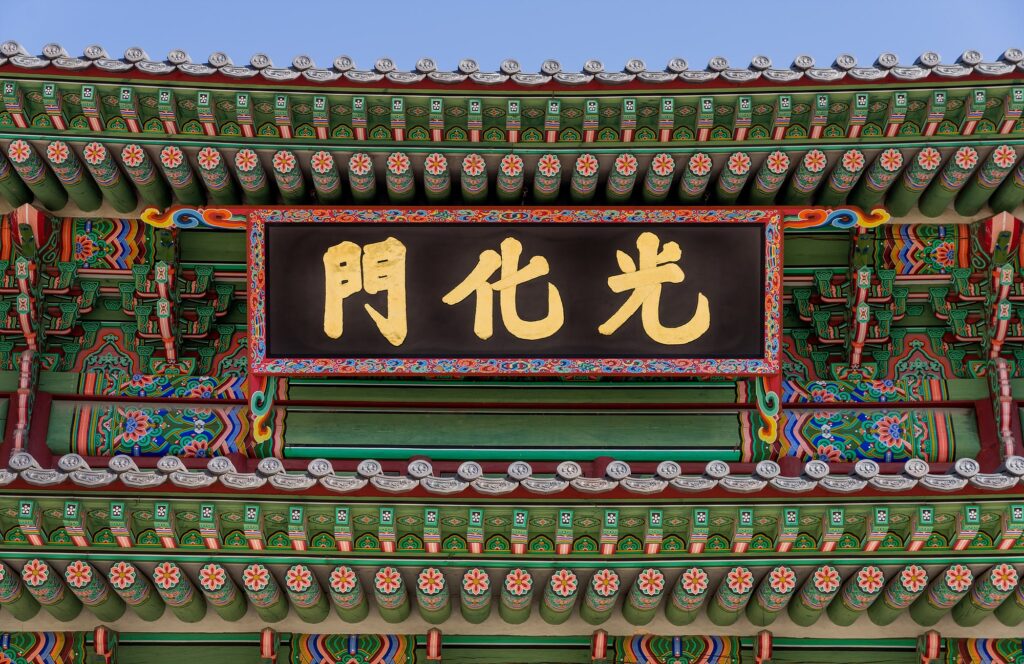
Gwanghwamun is not merely a gate; it is a masterpiece of Joseon’s architectural philosophy, balancing rigid authority with aesthetic grace. First erected in 1395 (the 4th year of King Taejo), it serves as the southern entrance to Gyeongbokgung Palace. Its name, “Gwanghwamun,” was officially designated in 1425 by the scholars of Jiphyeonjeon, carrying the heavy spiritual weight of “The Monarch’s great virtue shines upon the entire nation.”
Architectural Specifics & Scale
Unlike other palace gates, Gwanghwamun features a “Jungcheung” (double-story) wooden pavilion resting on a massive stone platform (Uksuk). The scale of the gate is monumental. While most secondary gates consist of 3 horizontal sections, Gwanghwamun matches the scale of Sungnyemun (Namdaemun) with its upper pavilion’s structure. The stone platform is pierced by three arched passages known as Hongyemun. The central arch stands larger than the side ones, reserved exclusively for the King, while the eastern and western arches were for civil and military officials, respectively.
According to the latest 2023 restoration data, the newly restored Woldae (ceremonial stage) in front of the gate extends a staggering 48.7 meters in length and 29.7 meters in width. This stage was historically used for royal processions and interactions with the public. The gate’s structural integrity is supported by a Dapo-style (multi-bracket) system, featuring three brackets on the inside and two on the outside, a technique reserved for the highest-ranking buildings in the Joseon hierarchy.
Cosmological Symbols: The Ceiling Murals
The intricate details hidden within the arches reflect the Joseon Dynasty’s cosmological worldview. Each of the three Hongyemun ceilings is adorned with a vibrant mural of a mythical guardian. The central arch features a Jujak (Vermilion Bird), the guardian of the South, symbolizing fire and rebirth. The eastern arch showcases a Cheonma (Celestial Horse), representing the rising sun and vigor, while the western arch contains a Turtle, the symbol of longevity and steadfast protection.
Furthermore, the Haechi (Haetae) statues, carved in 1870 by the master sculptor Lee Se-uk, stand guard in front of the gate. These mythical fire-eating creatures were strategically placed to suppress the “fire energy” of Mt. Gwanaksan, which was believed to pose a mystical threat to the palace. Historically, these statues also functioned as “Hama-bi” (Dismounting Markers), signaling that all visitors, regardless of rank, must descend from their horses before entering the sacred royal grounds.
2. A History of Survival: Restoration Hurdles and Modern Wins
Gwanghwamun is more than just an architectural marvel; it is a profound symbol of the Korean nation’s resilience. Its history is a tumultuous saga of destruction and rebirth, mirroring the turbulent fate of the Joseon Dynasty and modern Korea. For centuries, this gate has been broken, moved, and even stripped of its identity, only to be painstakingly restored each time by the unwavering devotion of the Korean people. Understanding Gwanghwamun is impossible without acknowledging this legacy of survival.
The First Ashes and a Long Slumber (1592–1867)
The gate’s first trial came less than two centuries after its construction. In 1592, during the Imjin War (the Japanese invasions of Korea), Gyeongbokgung Palace was engulfed in flames, and Gwanghwamun was reduced to ashes. For the next 273 years, the palace grounds lay in ruin, a somber reminder of a devastating national tragedy. It was not until 1867, during the reign of King Gojong, that the powerful Prince Regent Heungseon Daewongun undertook the monumental task of rebuilding Gyeongbokgung. Gwanghwamun was resurrected in its original majesty, a symbol of a dynasty striving to reclaim its authority.
Colonization, Displacement, and the Great Concrete Mistake (1910–1968)
However, this rebirth was short-lived. Following Japan’s annexation of Korea in 1910, the colonial government systematically dismantled Joseon’s royal symbols. In 1926, they built the massive Japanese General-Government Building directly behind Gwanghwamun, severing the gate from the palace it was meant to protect. To make matters worse, they planned to demolish Gwanghwamun entirely. A brave public outcry, led significantly by Japanese art historian Yanagi Sōetsu, managed to save the gate, but it was forcibly displaced to the palace’s eastern wall (near today’s National Folk Museum of Korea).
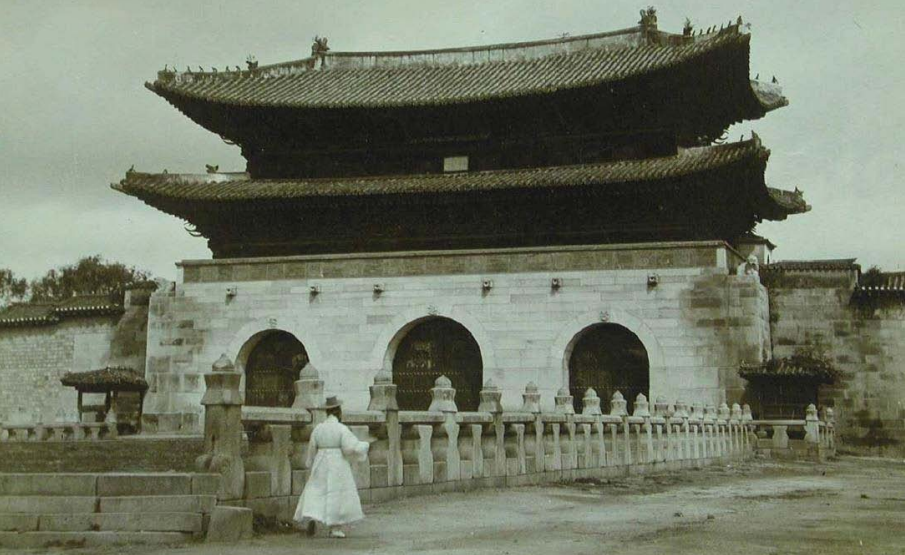
Stripped of its location and dignity, the wooden structure suffered further during the Korean War (1950–1953), with its upper pavilion being completely destroyed by bombing. For years, only the stone platform remained. In 1968, under the administration of President Park Chung-hee, Gwanghwamun was finally moved back to its original location. However, this “restoration” was deeply flawed. Due to budget and time constraints, the gate was rebuilt using concrete instead of traditional timber, and the construction was rushed, resulting in a misaligned and historically inaccurate structure.
The Return to Authenticity (1990–Present)
The true rebirth of Gwanghwamun began in the 1990s as part of a comprehensive master plan to restore Gyeongbokgung Palace. The seminal moment came in 2006 when the inaccurate concrete gate was completely dismantled. After four years of meticulous research and traditional craftsmanship, a new Gwanghwamun, built entirely of domestic pine and aligned perfectly with the palace’s central axis, was unveiled on August 15, 2010, marking National Liberation Day.
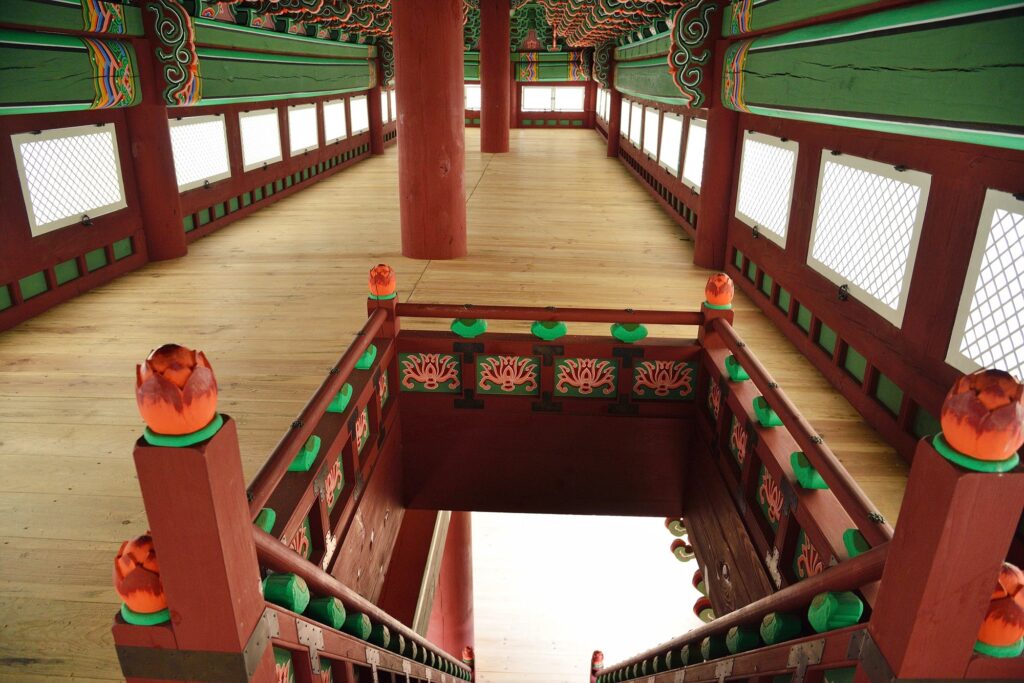
This journey to authenticity culminated in October 2023 with the completion of the most significant final piece: the restoration of the Woldae (ceremonial stage) and the Haechi statues to their original positions. Today, Gwanghwamun stands not as a concrete imitation, but as a faithful testament to Joseon’s original design, a structure that has finally come home after a century of displacement and devotion.
Verified Sources: Wikipedia – Gwanghwamun History & Structure | National Heritage Administration – 2023 Woldae Restoration Report | National Museum of Korea – Joseon Dynasty Annals (Selected Records)
3. BTS x Gwanghwamun: The 2026 Comeback Spectacle
Get ready, because the “BTS 2026 Comeback Show @ Seoul” is going to be legendary. Scheduled for March 21, 2026, at 8:00 PM, this isn’t just a concert—it’s a national event. Here is how the Gwanghwamun area is being transformed for the group’s grand return:
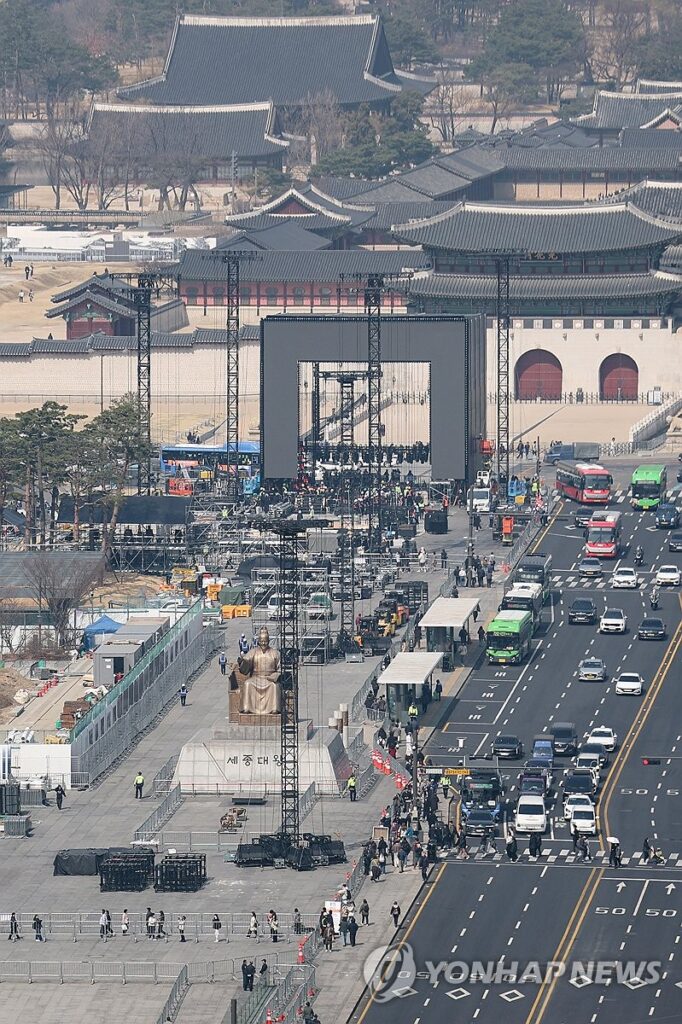
- The Main Stage: A massive, custom-built stage is being set up right in the square, using the Gwanghwamun Gate and the newly restored Woldae as a majestic backdrop. This creates a visual “intersection of past and present” that will be broadcast globally via Netflix.
- Safety First: The Seoul Metropolitan Government has been in high-gear meetings to manage the expected crowds. They’ve already conditionally approved safety plans that include shuttle bus detours, potential subway skips at Gwanghwamun Station to prevent overcrowding, and the deployment of a “Field Joint General Situation Room” with police and fire departments.
- The “Arirang” Theme: Since their new album is titled ‘ARIRANG’, the performance is expected to feature traditional Korean elements integrated with high-tech media art mapped onto the gate itself.
- City-Wide Celebration: The “BTS THE CITY” project will turn the entire Gwanghwamun area into a purple-lit festival zone, with media facades on the National Museum of Korean Contemporary History and interactive booths near the Sejong Center.
4. How to Enjoy Gwanghwamun Like a Pro
If you’re heading there, don’t just stand in the middle of the square! Here are the best ways to soak it all in:
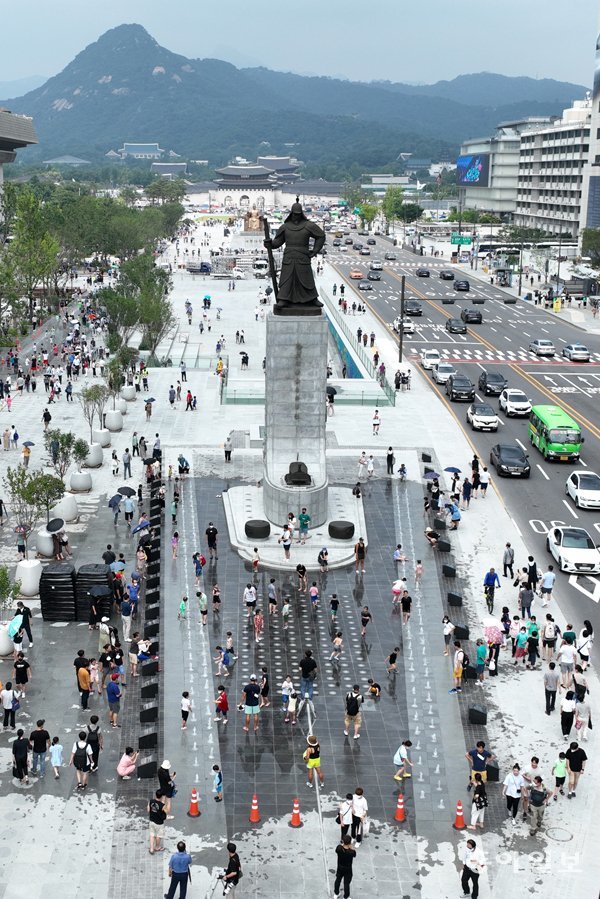
- Walk the “King’s Road”: Start from the Woldae and walk through the central portal of Gwanghwamun. That middle path was historically reserved only for the King!
- The “View” Spot: Head to the 8th-floor rooftop garden of the National Museum of Korean Contemporary History. It offers the absolute best panoramic view of the Gate, the Palace, and the Blue House (Cheongwadae) with the mountains behind them.
- Royal Guard Change: Catch the Sumunjang (Royal Guard) Changing Ceremony at 10:00 AM or 2:00 PM daily. It’s a colorful, loud, and totally free piece of living history.
- Underground Secrets: Below the statues of King Sejong and Admiral Yi Sun-sin, there’s a hidden museum called “The Story of King Sejong” where you can learn about the creation of the Korean alphabet (Hangeul).
Verified Sources: Walk the King’s Path – NOL World | Gwanghwamun Square Guide – KoreaToDo
5. Neighborhood Gems: Must-Visit Spots Nearby
Done with the Gate? There are at least four more spots you have to check out within walking distance:
- Cheonggyecheon Stream (5-min walk): A peaceful urban oasis that starts right at Cheonggye Plaza. It’s perfect for a night stroll with its stepping stones and waterfalls.
- Deoksugung Palace (10-min walk – History): Famous for its beautiful stone-wall road and the “Seokjojeon,” a Western-style neoclassical building that shows a unique side of Korean royal history.
- National Museum of Korean Contemporary History (Right next door – History): A great place to see how Korea transformed from the 19th century to the global powerhouse it is today.
- Seochon & Bukchon Hanok Villages (10 to 15-min walk): These are traditional residential areas filled with hundreds of “Hanoks” (traditional houses), trendy cafes, and craft shops.
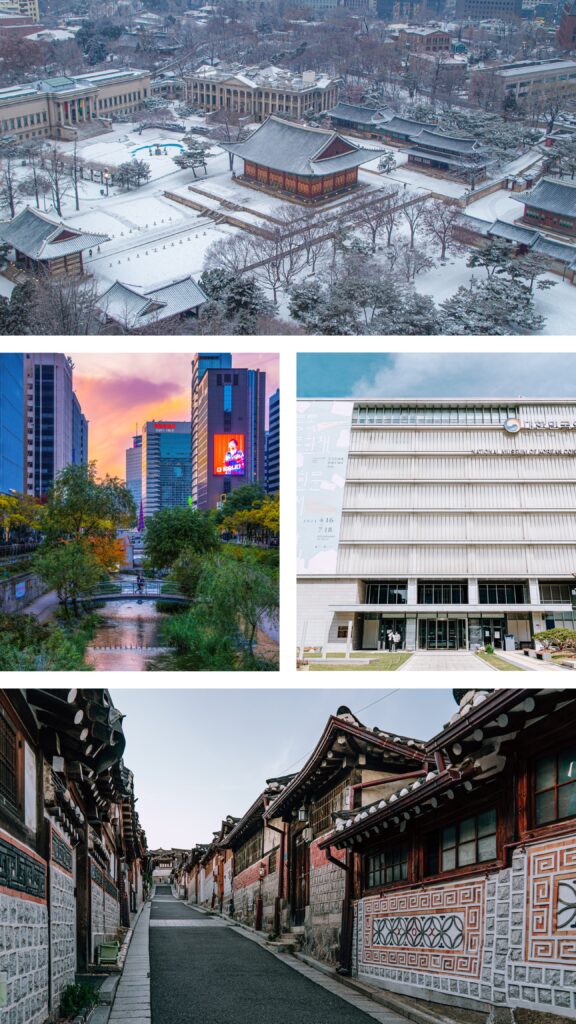
📍 Interactive Guide: Explore Gwanghwamun and neighboring K-culture hotspots.
Closing Thoughts: A New Chapter for Gwanghwamun
Gwanghwamun has always been more than just a gate; it’s a survivor that has witnessed Korea’s darkest hours and its most triumphant moments. Seeing it fully restored to its 19th-century glory—complete with the majestic Woldae and the proper black-and-gold signboard—is a powerful reminder of how far this nation has come.
As BTS prepares to light up this historic square in 2026, it feels like the ultimate full-circle moment. Combining the world’s biggest musical act with Korea’s most significant historical site isn’t just a concert; it’s a celebration of Korean identity on a global stage. Whether you’re a die-hard ARMY or a history buff, being at Gwanghwamun during this comeback will be a “once-in-a-lifetime” experience. So, grab your lightsticks, wear something comfortable, and get ready to witness history being made at the very heart of Seoul!
Stay tuned for more updates on the setlist and the best viewing spots near the palace!