
What Subway is Tae-seo Driving In “Still Shining? How Much Do You Really Know About the Seoul Subway?
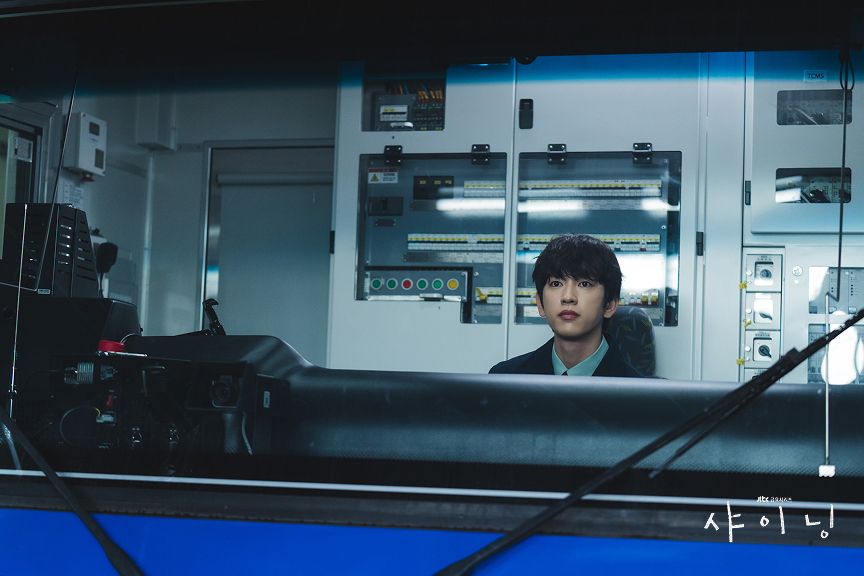
In the 2026 Netflix sensation Still Shining, we meet Yeon Tae-seo. He was once a brilliant engineering student and a programmer at a major tech company. But life is unpredictable. After losing his parents and needing to support his grandfather and sick brother, he chooses a different path. He becomes a subway driver. Specifically, he operates on Line 4. In Korea, this job is famously called the “Iron Rice Bowl” because of its lifelong stability and solid pension. But what is it about this machine he drives? What makes the Korean subway, and subways in general, so important in our daily lives?

1. A Short History of the Underground Revolution
It all started in London. The year was 1863. The Metropolitan Railway opened using steam locomotives, which, as you can imagine, wasn’t exactly a breath of fresh air for passengers in those early tunnels. Despite the smoke, it worked. It was the world’s first attempt to move masses of people away from congested streets.

Source: Public Domain via Wikimedia Commons (Historical Archive of the London Underground, 1863)
The revolution truly began in 1890 with the City & South London Railway. This was the world’s first deep-level electric metro system. No more steam, no more soot. This milestone allowed subways to go deeper and cleaner. Soon, other cities followed. Budapest opened its Millennium Underground in 1896, the first electric line built specifically for urban transit. By the early 20th century, New York, Paris, and Buenos Aires were all digging their own paths through the earth. While global hubs are racing toward Grade of Automation 4 (GoA4)—where trains operate entirely without human intervention—the Seoul Metro still values the steady hand of a driver. On high-traffic routes like Line 4, having a ‘human in the loop’ like Tae-seo ensures a level of safety and intuition that algorithms haven’t fully replaced yet.
2. The Modern Subway Landscape
2-1. Seven Giants of the Global Track
Around the world, a few metro systems stand out—not just for their size, but for how deeply they shape everyday urban life.
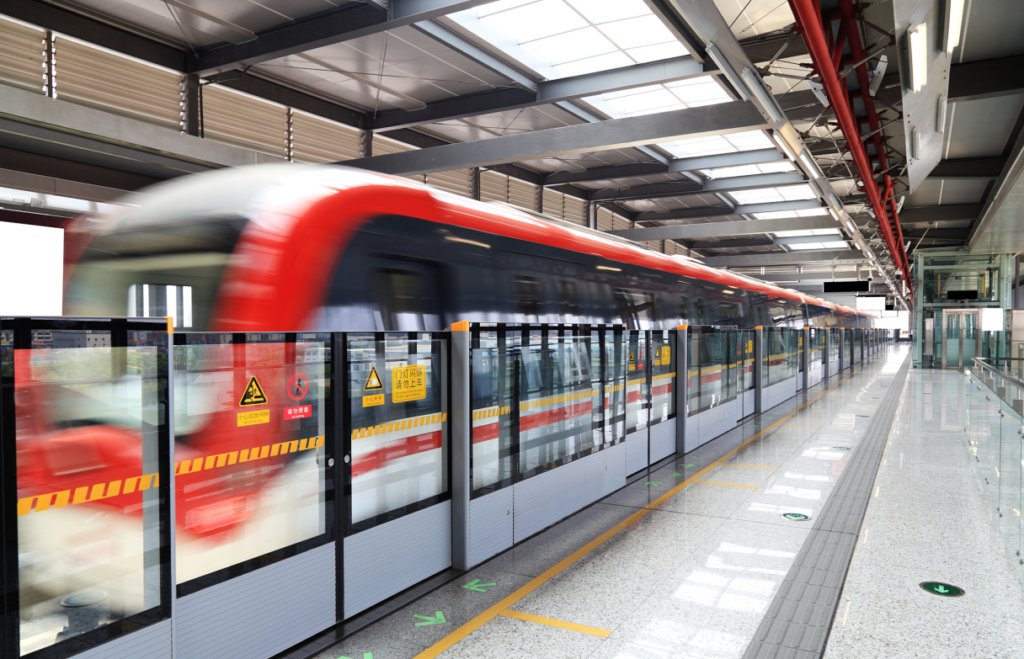
China (Beijing Subway & Shanghai Metro)
Beijing’s metro is now the longest in the world, with more than 891 kilometers of track. It is incredibly busy, handling roughly 2.83 billion trips a year. Shanghai isn’t far behind, often ranking as the system with the highest annual ridership globally. What’s striking is how quickly they grew—most of this expansion happened just in the 2010s.
USA (New York City Subway)
New York’s subway never sleeps. It runs 24/7 across the entire network, which is rare globally. It has the most stations of any single operator in the world—472. The downside? Much of its infrastructure is old, leading to reliability issues and a massive backlog of repairs.


United Kingdom (London Underground)
The “Tube” is the grandparent of them all. It’s known for its complex network of intersecting lines and its iconic cylindrical trains.It may not run all night like New York, but its connection with regional rail—especially the Elizabeth Line—is one of its biggest strengths.
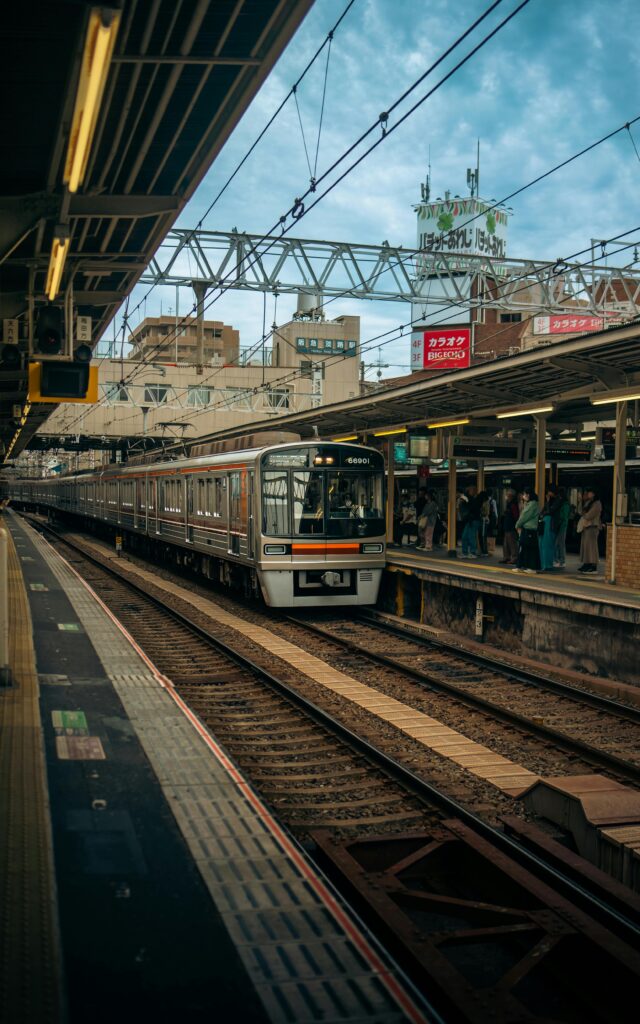
Japan (Tokyo Subway)
Tokyo’s metro system is built around efficiency. The system carries over ten million passengers every day. It’s famous for trains that arrive on time—down to the minute—and for its overall cleanliness. However, The downside is its complexity—even locals sometimes find it confusing.
France (Paris Métro)
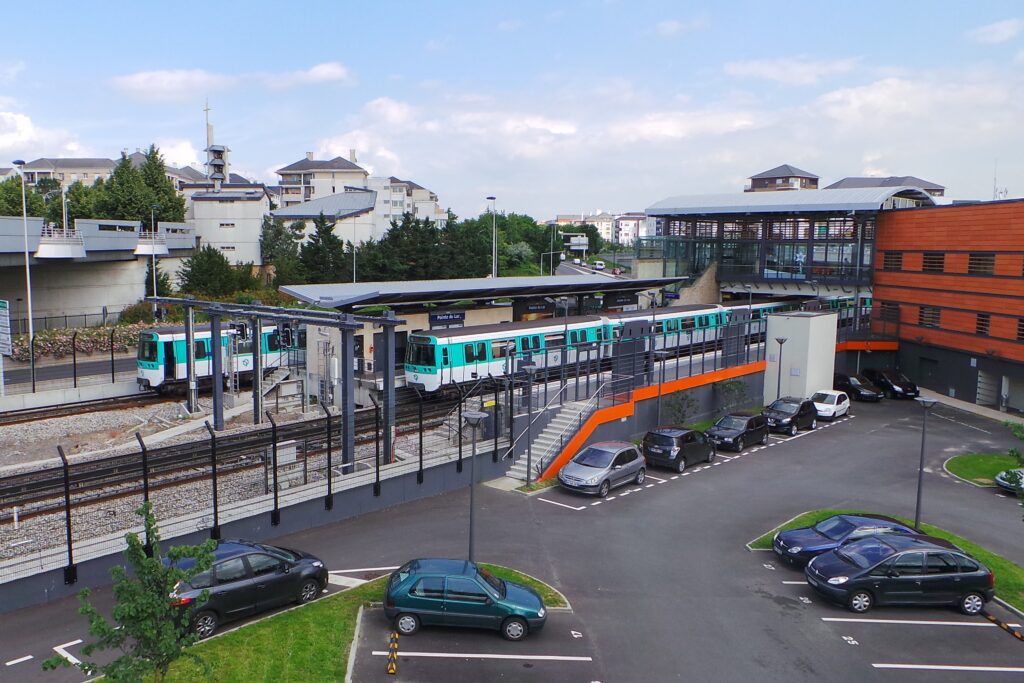
The Paris Metro is extremely dense, with stations located very close to each other.What makes Paris different is its funding system—large employers contribute through a payroll tax known as “Versement Mobilité”. As a result, ticket prices remain relatively affordable for daily riders.
Source: Photo by Poudou99 via Wikimedia Commons / CC BY-SA 3.0
Russia (Moscow Metro)
The Moscow Metro is often described as a “People’s Palace,” and its stations truly live up to that name. Designers used marble, granite, and mosaics to make stations feel more like art galleries than transit spaces. Some walls even contain fossils like nautiluses and corals.
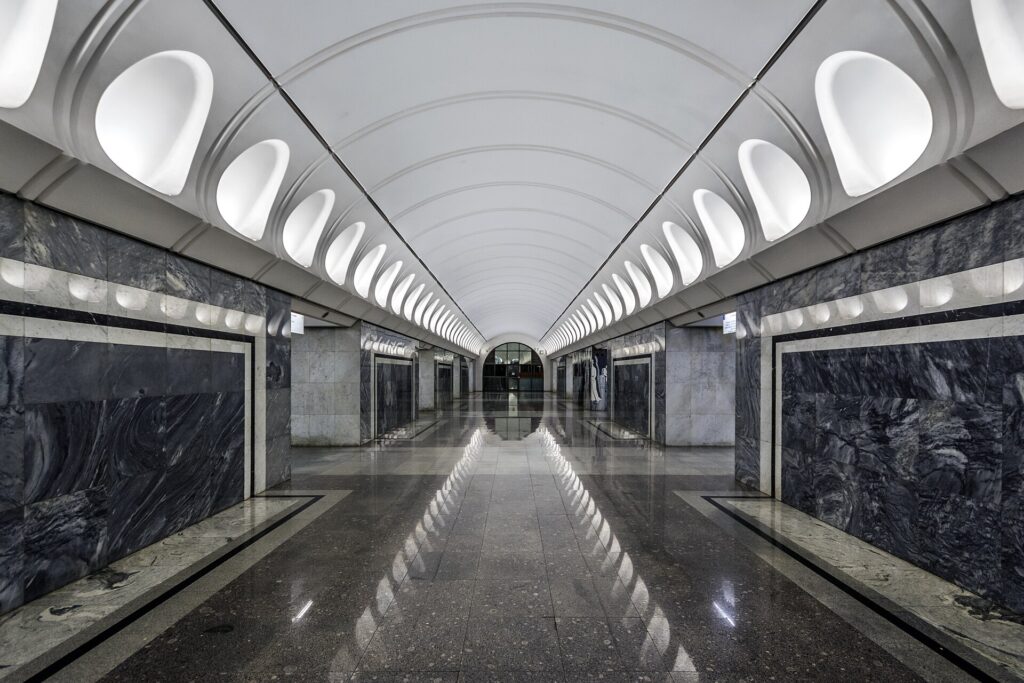
(Source: Artyominc via Wikimedia Commons / CC BY-SA 3.0)

South Korea (Seoul Metropolitan Subway)
Then there’s Seoul, which consistently ranks among the best. It regularly appears near the top of global metro rankings. It stands out for its technology, cleanliness, and relatively low fares.
(Source: Metrowiki via Wikimedia Commons / CC BY-SA 4.0)
2-2. Seoul Subway by the Numbers
The Seoul Metropolitan Subway system is one of the largest in the world. The system first opened in 1974. Since then, it has expanded to 338 stations and over 358 kilometers of track within its core network. Every year, it facilitates approximately 2.4 billion passenger trips. If you include the wider regional network, the scale grows to 24 lines and 656 stations.In 2023 alone, the city-run lines carried about 1.58 billion passengers.

2-3. What Makes the Seoul Experience Special?
If Tae-seo from Still Shining showed you around, he’d probably point out the little things that make Seoul’s subway feel a step ahead of most cities.

- Connectivity and Technology: Every station and tunnel has full mobile reception and Wi-Fi. LED signboards inside and outside the trains show you exactly where the train is in real-time.
- Safety First: Nearly every platform is sealed off with full-height screen doors. They’ve made a noticeable difference—fewer accidents, and a much calmer atmosphere overall.
- The “Warmth” Factor: During winter, many subway seats are heated. [context from common knowledge supported by 790 “Customer Convenience”]. It’s a small touch, but it makes a surprisingly big difference.
- Accessibility: The goal is to make nearly all stations accessible by 2055—and progress is already visible.You’ll notice huge elevators, plenty of escalators, and even upgraded help points designed for the hearing impaired.
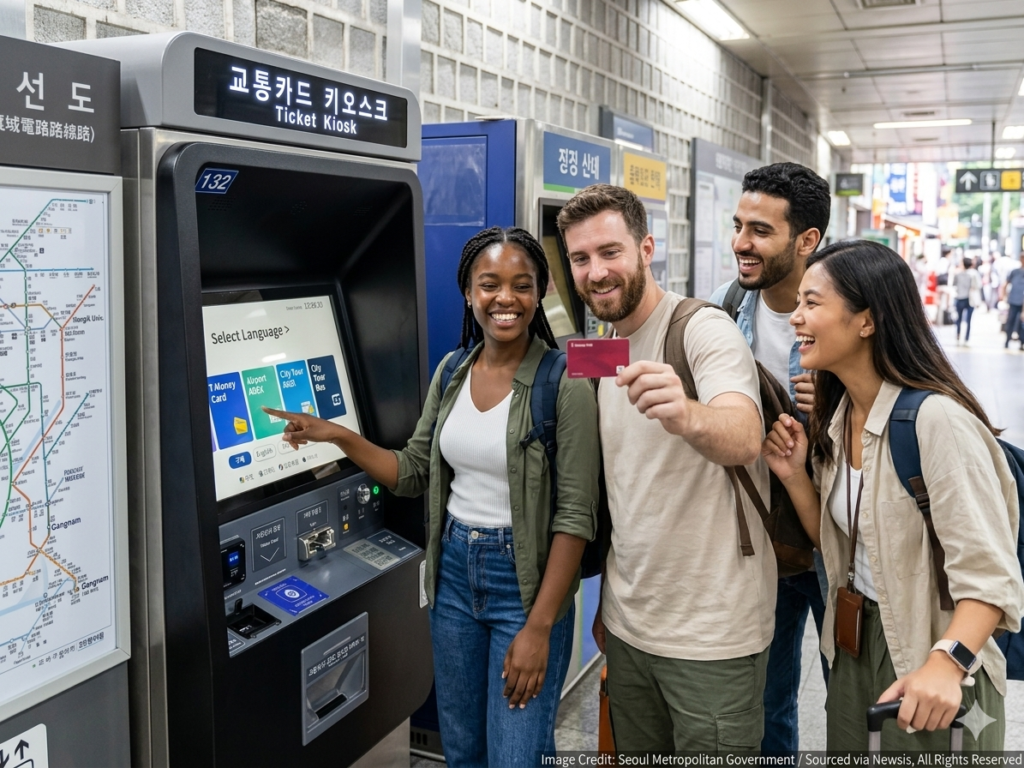
- Unbeatable Price: Compared to Tokyo, Seoul’s T-Money system feels much simpler and easier to use. Fares are roughly 1,200 won per kilometer, and the free transfer policy between subways and buses is a huge win for the wallet.
2-4. What Do the Visitors Say?

Anyone who has spent time navigating major Asian transit systems will almost inevitably compare Seoul with its neighbors. Tokyo’s network is a marvel of punctuality, but even for locals, the map can be a labyrinthian headache. Seoul strikes a rare balance: it offers the same world-class precision but with a logical, color-coded simplicity that makes first-time navigation feel like second nature. Seoul, on the other hand, tends to feel much more approachable. Even on a first visit, many people find themselves getting the hang of it surprisingly quickly, and moving across the city doesn’t feel nearly as complicated as they expected.
Then there’s the question of cost, which comes up almost immediately. Visitors quickly notice how convenient the T-Money system is, especially when it comes to transfers. Being able to step off a subway and onto a bus without the fare resetting—at least over shorter distances—is something people don’t take for granted. Over the course of a few days, it makes a real difference. It’s the kind of detail that travelers from Europe or North America often point out, since similar flexibility isn’t always built into their systems. At the same time, Seoul meets the expectations people now have of a “smart” transit network. Wi-Fi works reliably, and real-time updates mean you’re rarely left guessing about what’s happening next.
Comfort is another thing that tends to stick. Come in from a cold Korean winter, sit down, and realize the seat is heated—it’s a small moment, but one that people remember. It doesn’t feel like a big feature on paper, but in practice, it stands out. Even the journey from the airport becomes part of the comparison. Incheon Airport is about 48 kilometers from central Seoul, and for many travelers, that distance feels more manageable than the longer trip from Tokyo’s Narita.
In the end, for a lot of visitors, the subway becomes more than just a way to get around. They remember how clean it felt, how smoothly it worked, and how connected everything was. It’s not just about reaching palaces or neighborhoods—the system itself becomes part of what they take away from the city.
3. More Than Just a Way to Get Around
In Korea, the subway is starting to feel like more than just a way to get around. Step into almost any station, and you’ll find more than just platforms—underground shopping arcades, bookstores, small restaurants, and even performance spaces are seamlessly built into the system. Clean facilities, thoughtful interior design, and surprisingly well-maintained restrooms all contribute to an experience that goes beyond basic transit.

(Image Credit: Seoul Metropolitan Government / Sourced via Newsis, All Rights Reserved)
This blend of function and atmosphere is what sets the system apart. Fans of Still Shining will recognize the quiet, nostalgic atmosphere of Dongjak Station. Unlike the cramped underground tunnels, this station sits directly above the Han River. For a driver like Tae-seo, emerging from the darkness into the riverside sunset isn’t just a route change—it’s a rare moment of breathing room in a high-pressure life
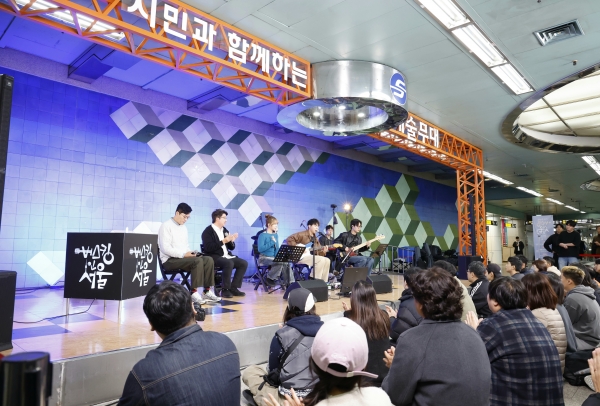
Seoul Metro isn’t just about getting people from point A to B—it’s also about culture. There are “Subway Art Stages” where anyone can perform, and even classical music playing during rush hour to ease the mood. These small details transform an ordinary commute into something more human.
But experiences like these don’t happen on their own. They are made possible by the people who keep the system running, often unnoticed. Tae-seo is one of them.
For Tae-seo, driving Line 4 is more than a job—it’s how he protects his family. For the rest of us, it’s simply what keeps the city moving. It’s not just transport—it’s the backbone of the city.
So next time you tap your T-Money card, spare a thought for Tae-seo. He’s up front, making sure everyone gets through the day safely.

🚇 Did you find the journey through the Seoul Subway fascinating?
Your ‘Like’ is a great encouragement for our journey to uncover the hidden stories and innovations of urban transit.
If you want to keep exploring more exciting K-trivia, please press the button below!